
Smart Home Tech Integration Made Easy
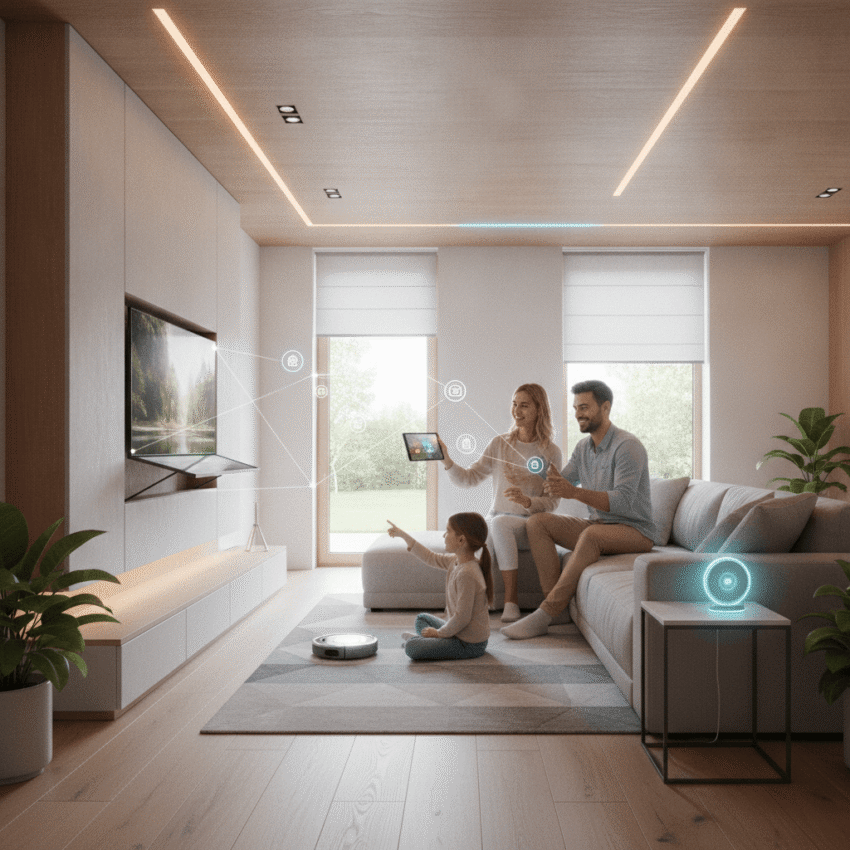
As a parent and homeowner, I am always looking for ways to make daily life simpler and more efficient. The idea of a “smart home” might sound futuristic or overly complex to some, but I have found that integrating technology into our living spaces does not have to be a daunting task. In fact, when done thoughtfully, it can significantly ease the burdens of modern family life.
I believe that smart home technology, at its core, is about convenience and control. It lets you manage your home’s various systems, from lighting and climate to security and entertainment, all from the palm of your hand. This level of control can save time, reduce stress, and even contribute to a more harmonious household.
My goal here is to break down the process of setting up a smart home. I want to show you how easy it can be to start, grow, and truly enjoy the benefits of a connected living environment. We will explore practical steps and real-world applications that make sense for busy families.
Understanding the Real Value of Smart Home Tech for Families
Many people think smart home technology is just a collection of cool gadgets. I see it as a powerful tool for streamlining household management and improving family well-being. It goes beyond turning on lights with your voice. Smart devices work together to create an environment that adapts to your family’s needs.
For parents, the benefits are clear. We can monitor home security from anywhere, adjust the thermostat before we even walk in the door, and automate repetitive tasks. This frees up precious time that we can spend with our children or on other important activities. It makes life easier and less chaotic, which is something every parent can appreciate.
Consider the daily routines in your home. Imagine lights turning on automatically when you enter a room or the coffee machine starting itself as your alarm goes off. These small conveniences add up. They contribute to a smoother flow in the morning rush or a calmer evening wind-down. This is the true promise of a well-integrated smart home system.
Enhancing Convenience in Daily Routines
I find that smart home tech really shines in simplifying the mundane. Things like remembering to turn off all the lights before bed become a non-issue with smart lighting systems. A single voice command or a tap on your phone can handle it.
We can program our thermostat to adjust based on our family’s schedule. It saves energy when no one is home and ensures comfort when we return. This proactive approach to home management removes mental clutter and helps keep energy bills in check.
For families with young children, this also means things like setting nightlights on a schedule or having baby monitors that connect directly to your phone. These small innovations make a big difference in reducing stress and providing peace of mind.
Boosting Security and Peace of Mind
Home security is a major concern for any family. Smart security devices offer an extra layer of protection and allow constant monitoring. I particularly value smart doorbells with cameras. They let me see who is at the door, even when I am away, and communicate with visitors safely.
Smart locks mean I never have to worry if someone remembered to lock the front door. I can check the status from my phone and lock it remotely if needed. This is incredibly helpful when juggling kids, groceries, and a million other things.
Connected alarm systems can notify local authorities and your phone instantly if an intrusion is detected. These features provide a strong sense of security, knowing your home and family are protected around the clock.
Getting Started: Your First Steps Towards a Smart Home
Embarking on your smart home journey does not require a complete overhaul of your current setup. I recommend starting small and building up your system over time. The most important first step is to consider your home’s existing infrastructure and your family’s specific needs.
Think about the areas where you crave more convenience or control. Is it lighting in the living room, security at the front door, or temperature regulation throughout the house? Identifying these pain points will guide your initial purchases and help you avoid unnecessary gadgets.
A successful smart home is built on a solid foundation. This primarily means having a reliable Wi-Fi network and ensuring compatibility between your chosen devices. Ignoring these aspects can lead to frustration and a less than stellar experience.
Building a Strong Network Foundation
Your Wi-Fi network is the backbone of your smart home. Without a strong, stable connection, your devices will struggle to communicate and function correctly. I always advise upgrading your internet plan and router if they are outdated.
For larger homes or those with many devices, a mesh Wi-Fi system can be a game-changer. These systems use multiple access points to blanket your entire home in a strong Wi-Fi signal, eliminating dead zones. This ensures every smart device, regardless of its location, stays connected.
Placement of your router is also crucial. Try to place it in a central location, away from obstructions like thick walls or large appliances. A little planning here saves a lot of headaches later on.
Choosing Your Smart Home Ecosystem
This is perhaps the most important decision you will make when starting out. Major players like Apple HomeKit, Google Home, and Amazon Alexa each offer their own ecosystem. I suggest picking one primary system and sticking with it as much as possible.
Devices within the same ecosystem are designed to work together seamlessly. This means easier setup, better automation, and more consistent performance. While many devices are “cross-compatible,” relying too heavily on different systems can lead to integration challenges.
Consider which voice assistant you prefer or which platform you already use for other tech. This can help guide your choice. For example, if you are an iPhone user, HomeKit might feel more intuitive. The key is to create a cohesive environment for your smart home technology integration.
Key Smart Devices That Deliver Real Value
Once you have a solid network and have chosen your ecosystem, it is time to pick some devices. I recommend focusing on gadgets that address your initial pain points and offer clear benefits. Resist the urge to buy every new smart device you see.
Start with devices that provide immediate, noticeable improvements to your daily life. These are often the most satisfying purchases and encourage you to expand your system further. Practical devices are always the best starting point for a busy household.
I have found that certain categories of smart tech offer the highest return on investment in terms of convenience and efficiency. These are typically lighting, climate control, and security solutions.
Smart Lighting and Thermostats for Energy and Comfort
Smart lighting is one of the easiest and most impactful ways to begin. You can replace existing light bulbs with smart ones or install smart switches. This allows you to control lights from your phone, set schedules, or even adjust brightness and color to create different moods.
I love being able to turn off all the lights in the house with a single voice command, especially when my hands are full with kids. This small convenience really makes a difference. It also means no more nagging about lights left on in empty rooms.
Smart thermostats are another excellent addition. Devices like Nest or Ecobee learn your family’s habits and adjust temperatures accordingly. They can detect when you are home or away, saving energy without sacrificing comfort. I have seen a noticeable decrease in my heating and cooling bills since installing one.
Smart Security for Family Safety
Protecting your family is always a top priority. Smart security cameras, both indoor and outdoor, provide visual monitoring of your home. They can send alerts to your phone if motion is detected, letting you check in from anywhere.
Video doorbells, as I mentioned, are fantastic for screening visitors and package deliveries. I can talk to someone at my door even if I am at the park with my kids. This adds a layer of security and convenience.
Smart locks offer keyless entry and allow you to grant temporary access codes to dog walkers or repair technicians. You get notifications when the door is locked or unlocked, so you always know who is coming and going. This control is invaluable for parents.
Automating Your Home for Maximum Efficiency
The real power of smart home technology comes from automation. This is where your devices stop being individual gadgets and start working together intelligently. Automation means setting up rules or routines that trigger actions based on specific conditions.
I have discovered that simple automation can dramatically improve daily efficiency. Instead of manually adjusting multiple devices, your home responds automatically to events. This is especially helpful for parents who juggle many responsibilities.
Thinking about how different devices can interact within your chosen ecosystem is a crucial step. This might involve creating “scenes” for different times of day or setting up triggers based on location or sensor readings.
Creating Simple Daily Routines
Start with routines that simplify common daily events. A “Good Morning” routine, for example, could gradually turn on bedroom lights, start the coffee maker, and adjust the thermostat to a comfortable temperature. All of this happens automatically when your alarm goes off.
I use a “Bedtime” routine that turns off all the house lights, locks the front door, and sets the thermostat to a sleep-friendly temperature. This ensures the house is secure and comfortable for the night, without me having to walk around checking everything.
Location-based routines are also incredibly useful. Your home can detect when you leave and automatically turn off lights and lower the thermostat. When you return, the house can warm up and greet you with inviting lighting.
Advanced Automation for Enhanced Security
Beyond basic routines, you can set up more sophisticated automations to enhance security. For instance, if an outdoor camera detects motion late at night, you can program it to automatically turn on floodlights and send an alert to your phone. This acts as a deterrent and provides immediate notification.
You can integrate smart door and window sensors with your lighting. If a sensor is tripped while you are away, the lights inside your home could flash, giving the impression that someone is home. This adds an element of surprise for potential intruders.
Many smart home hubs allow you to create complex “if this then that” rules. These rules let you customize your home’s behavior to an impressive degree, fitting perfectly with your family’s unique safety concerns and preferences.
Maintaining and Expanding Your Smart Home System
Setting up your smart home is just the beginning. To keep it running smoothly and effectively, some ongoing maintenance and thoughtful expansion are needed. I have learned that a little proactive effort goes a long way in preventing technical issues and maximizing your system’s performance.
Regular check-ups and updates are vital for any technology, and smart home devices are no exception. Just like you maintain your car or your garden, your smart home also needs attention. This ensures reliability and access to the latest features and security patches.
Expanding your system should also be a deliberate process. Do not just add new gadgets on a whim. Think about how a new device fits into your existing ecosystem and if it genuinely adds value to your family’s life.
Keeping Your Network Optimized
A stable network is paramount for a responsive smart home. I make it a habit to restart my router and modem periodically. This simple step can resolve many connectivity issues and improve overall performance. Think of it as a fresh start for your network.
Ensure your router’s firmware is always up to date. Manufacturers often release updates to improve security and performance. Most modern routers allow you to enable automatic updates, which I highly recommend. It takes the guesswork out of it.
If you experience persistent issues, consider whether your Wi-Fi channel is congested. Apps are available that can help you find less crowded channels, which can significantly improve signal strength and speed for your devices.
Smart Device Care and Growth
Just like your network, your smart devices need updates. Firmware updates for individual devices are crucial for security and to unlock new features. I usually enable automatic updates for my devices when available, or I set a reminder to check for them regularly.
When you decide to add new devices, always verify their compatibility with your existing smart home ecosystem. Reading reviews and checking specifications can prevent frustration. You want everything to work together harmoniously, not create new problems.
Consider starting with devices from the same brand within your chosen ecosystem. This often guarantees the best integration experience. As your confidence grows, you can then experiment with other compatible brands.
Smart Home Tech Integration Made Easy: Your Path to a Smarter Life
I have walked you through the process of simplifying your home with technology. We have covered understanding the benefits, laying the groundwork with a strong network and ecosystem choice, and selecting devices that truly add value. We also explored how powerful automation can be and the importance of ongoing maintenance.
Integrating smart home tech does not have to be an overwhelming endeavor. It is a gradual journey, one step at a time. Each smart device you add and each automation you create brings a little more ease and efficiency to your daily life. This is particularly true for busy parents. Imagine more moments to focus on your loved ones because mundane tasks are handled automatically.
I encourage you to take that first step today. Start with one smart light bulb or a video doorbell. See how it transforms a small part of your routine. You will quickly discover that smart home technology is not about being flashy. It is about creating a more comfortable, secure, and manageable environment for you and your family. Embrace the possibilities and enjoy a home that works smarter for you.